
The Shift Toward Smart Building Management in Perth
Perth’s commercial property market is entering a new chapter. Vacancy rates across the CBD have tightened, tenant expectations have risen, and building owners are under increasing pressure to deliver operational efficiency alongside occupant comfort. Smart building management is no longer an emerging concept; it is the baseline for competitive assets in 2026.
For property owners across Western Australia, the question is no longer whether to adopt intelligent building systems but how quickly they can implement them without disrupting existing operations. The answer lies in understanding the core technologies driving this shift and how they connect to deliver measurable returns.
IoT Sensors and Building Automation: The Foundation
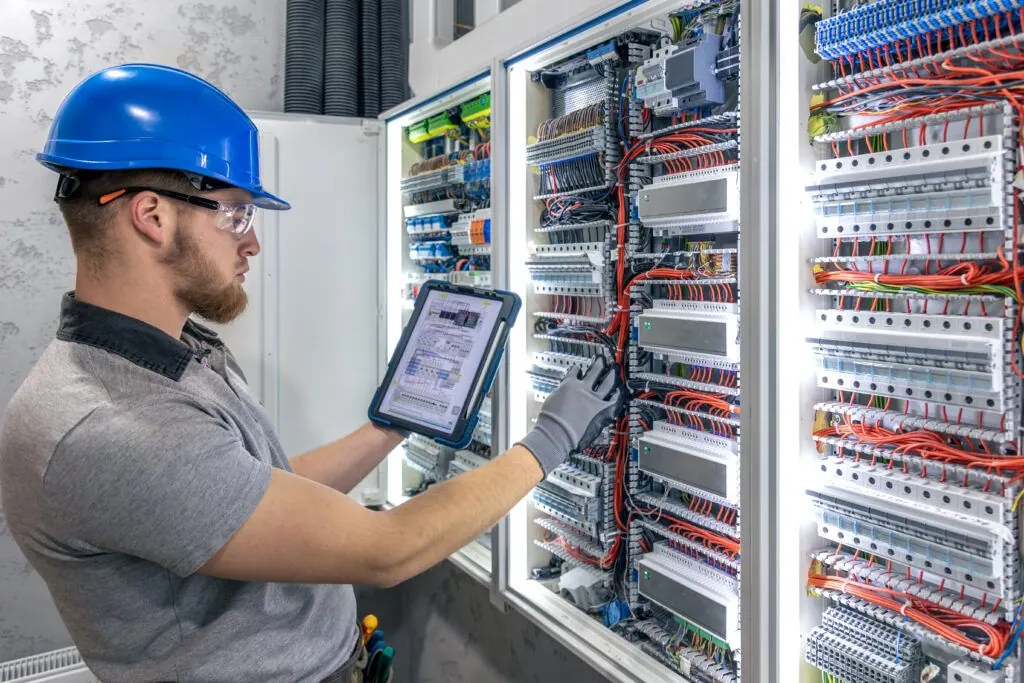
At the core of every smart building is a network of IoT sensors feeding real-time data into a centralised building automation system (BAS). These sensors monitor everything from HVAC performance and lighting levels to water flow rates and electrical load across distribution boards.
What has changed in 2026 is the cost. Sensor hardware that was prohibitively expensive five years ago is now commercially viable for mid-tier office buildings and mixed-use developments. A 5,000 square metre commercial building in Perth can now be fully instrumented for a fraction of the cost it would have incurred in 2022, and the data produced by those sensors is where the real value lies.
When building automation is connected to a facility management platform, the data becomes actionable. Maintenance teams receive alerts before failures occur, energy consumption is tracked at the circuit level, and building managers gain visibility across every asset in their portfolio from a single dashboard.
Energy Monitoring and NABERS Ratings: The Commercial Imperative
Energy performance is no longer just an environmental consideration; it is a commercial one. Tenants in Perth are increasingly stipulating minimum NABERS Energy ratings in their lease negotiations. A building rated at 4.5 stars or above commands a measurable premium in both rental yield and occupancy stability.
Smart energy monitoring systems provide granular, real-time visibility into where energy is being consumed and where it is being wasted. Base building HVAC, typically the largest single energy cost in a Perth commercial building, can be optimised through intelligent scheduling that responds to occupancy patterns rather than fixed timers.
The data also supports NABERS rating submissions with verified consumption figures, removing the guesswork from what has traditionally been an opaque process for many building owners.
Predictive Maintenance: Cutting Costs Before They Compound
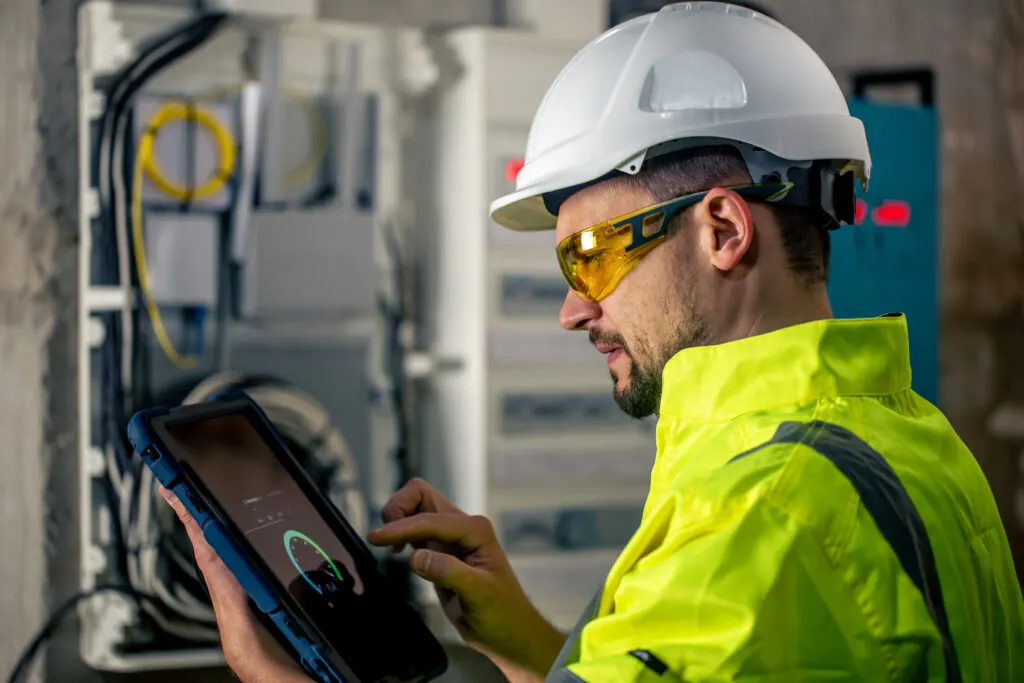
The financial case for predictive maintenance over reactive maintenance is now well established. Industry research from McKinsey and Deloitte consistently shows that reactive maintenance costs between three and five times more than a planned or predictive approach. For Perth property owners managing aging building stock, and much of the CBD’s commercial inventory was built between 1985 and 2005, the difference is significant.
Predictive maintenance utilizes sensor data and intelligent automation to identify equipment degradation before it leads to failure. A chiller showing early signs of refrigerant loss, a lift motor drawing higher current than its baseline, or a fire pump with declining flow rates, these are the signals that, when captured and acted on, prevent costly emergency callouts and tenant disruption.
The shift from reactive to predictive is not just about cost. It is about reputation. Tenants who experience repeated breakdowns and slow response times do not renew leases. Smart building management protects both the asset and the income it generates.
Indoor Air Quality and Occupant Wellness
Post-pandemic, indoor air quality (IAQ) has moved from a technical consideration to a tenant expectation. CO2 levels, particulate matter, humidity, and volatile organic compounds (VOCs) are now monitored in leading commercial buildings across Perth and nationally.
The evidence is clear: buildings with actively managed IAQ report higher tenant satisfaction scores, lower absenteeism among occupants, and stronger lease renewal rates. For property owners, this translates directly to asset value.
Smart HVAC systems that adjust fresh air intake based on real-time IAQ readings, rather than fixed ventilation schedules, deliver both wellness outcomes and energy savings. It is one of the few areas in building management where doing the right thing for occupants also reduces operating costs.
Integration: Where the Real Value Lives
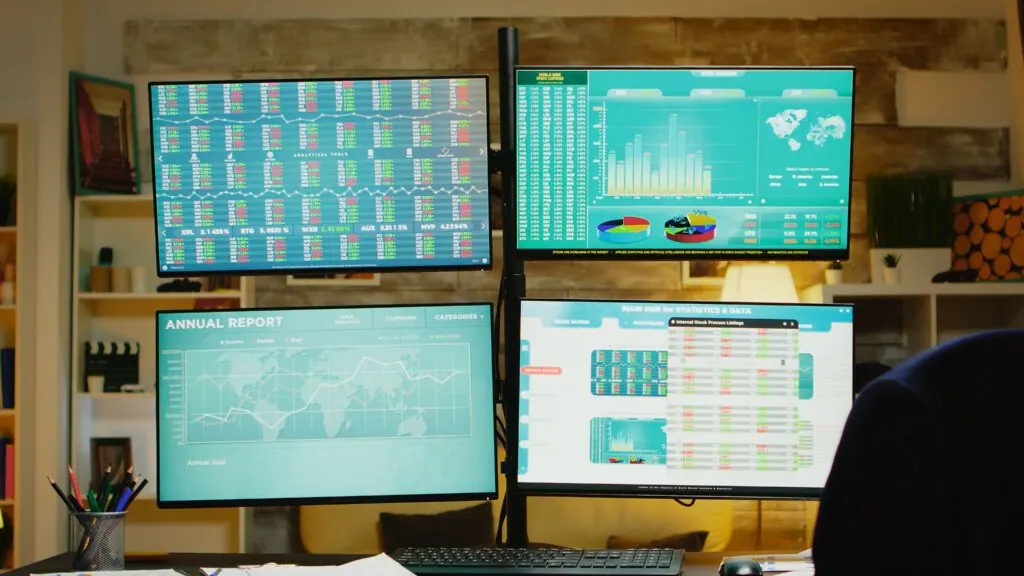
The challenge for most Perth property owners is not a lack of technology; it is a lack of integration. Many buildings run separate systems for HVAC, fire, access control, lifts, and lighting, each with its own interface, its own data silo, and its own maintenance schedule.
Modern facility management platforms, such as Cameron Facilities’ SiteIQ platform, powered by Microsoft Azure, bring these systems together into a single operational view. Maintenance workflows, compliance and safety obligations tracking, energy monitoring, and tenant communications all sit in one place, accessible from any device.
This integration is what turns raw building data into operational intelligence. When a sensor detects a fault, the platform can automatically generate a work order, notify the relevant trade, update the compliance register, and log the event for audit purposes, all without manual intervention. That is the difference between having smart technology and actually operating a smart building.
The Perth Context: What Makes This Market Different
Perth’s commercial property market has unique characteristics that make smart building management particularly relevant. The city’s climate demands high-performance HVAC; cooling loads in a Perth summer are among the highest of any Australian capital. Energy costs in Western Australia have risen steadily, and further increases are forecast through 2027.
At the same time, Perth is experiencing a wave of tenant flight to quality. Occupiers are consolidating into fewer, better buildings. The assets that will win are those that can demonstrate low operating costs, strong compliance records, and a genuine commitment to occupant experience.
What Property Owners Should Be Doing Now
For Perth property owners looking to future-proof their buildings, the path forward involves several practical steps.
First, conduct an honest audit of your current building systems. Understand what data you are collecting, what you are missing, and where your maintenance approach sits on the reactive-to-predictive spectrum.
Second, invest in integration before new hardware. Many buildings already have sensors and automation systems that are underutilised because they are not connected to a central platform. Getting more from what you already have is almost always the highest-return first step.
Third, benchmark your energy performance. If you do not have a current NABERS rating, get one. It establishes a baseline and identifies the quickest wins.
Fourth, choose a facility management partner who understands both the technology and the commercial realities of Perth property ownership. Smart building management is not a technology project, it is an asset management strategy.
About the Author
Sherif Sulejman is the managing director of Cameron Facilities, a proudly Australian-owned and operated facility management company based in Perth. With hands-on experience across commercial, industrial, and mining camp operations, Sherif leads the development of SiteIQ, Cameron Facilities’ integrated building management platform powered by Microsoft Azure. Cameron Facilities delivers smart, transparent facility management to property owners across Western Australia.
What Property Owners Should Be Doing Now: Contact us at [email protected] or visit cameronfacilities.com.au. Facility Management Association of Australia.
Recent Posts
-
 Perth Building Management: What Wet Season Really Reveals
 -
 Concierge Services for Commercial Buildings: Is It Worth the Investment?
 -
 How to Choose a Mining Camp Management Company in WA (2026 Buyer’s Checklist)
 -
 Commercial Cleaning Services in Perth: How to Compare Quotes Properly
 -
 Concierge Services Perth: What Premium Buildings Should Expect (and Pay)